
Wellness • The 10 Rules of Ikigai From Ogimi: Cultivating a Life of Purpose, Joy & Longevity
Explore the 10 Ogimi rules of ikigai and how simple, human habits can support purpose, calm, and long-term well-being.

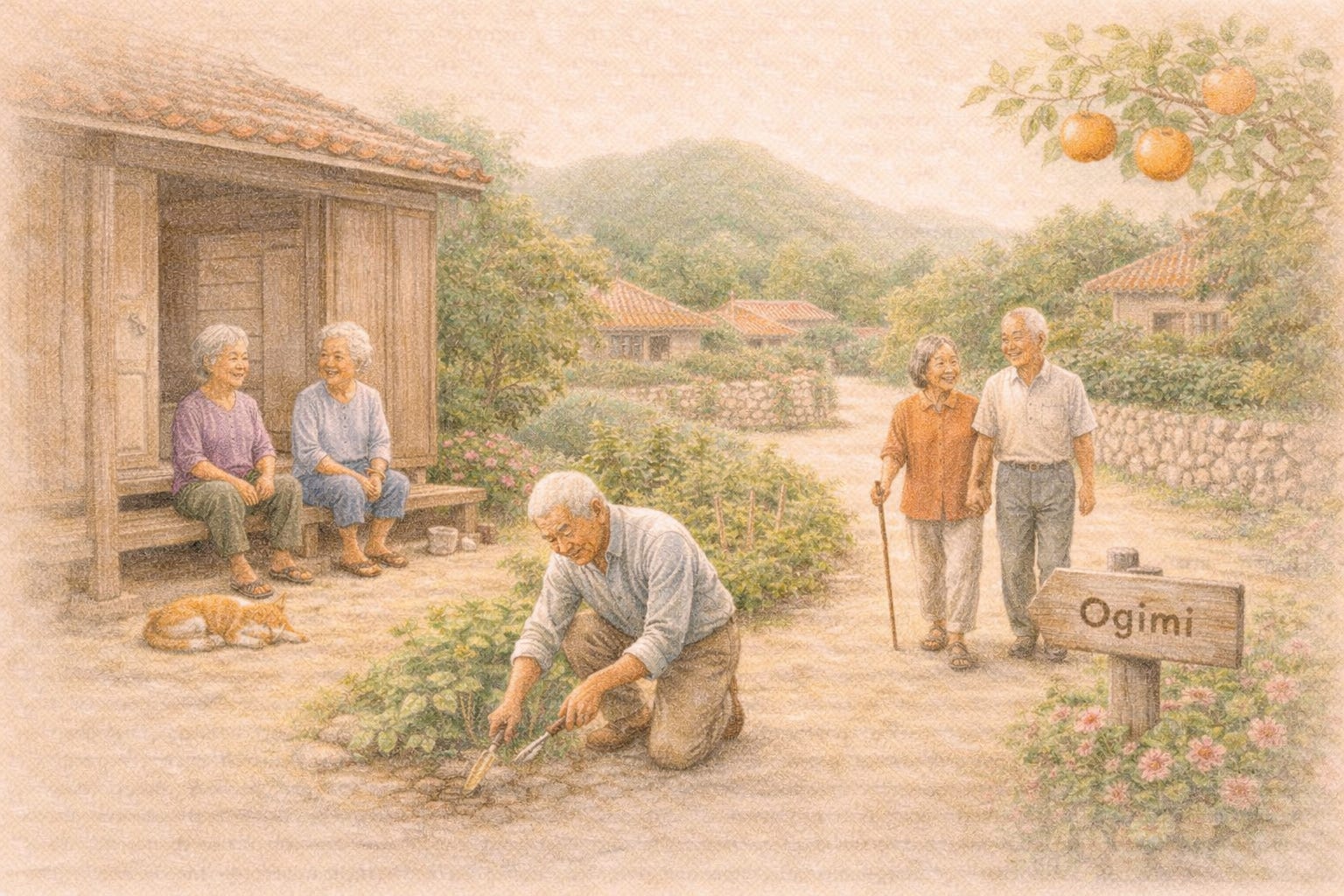
Some lessons don’t arrive with a bang. They slip in quietly. No big announcement. No dramatic turning point. Just a gentle nudge that keeps tapping you on the shoulder until you finally pay attention.
For me, that nudge came through learning about Ogimi, a small village in Okinawa, Japan. You’ve probably heard it called the village of longevity. But that label never quite captures what’s really going on there.
Yes, people live a long time. But more importantly, they live well. With ease. With rhythm. With a kind of grounded joy that doesn’t look rushed or performative.
Nothing about their lives feels extreme. No miracle supplements. No rigid routines. The magic, if you want to call it that, lives in the ordinary moments. How they eat. How they move. How they relate to one another. How they stay connected to something meaningful, even as the years add up.
The 10 Ogimi rules, inspired by their way of life, are simple. Almost disarmingly so. And yet, they quietly shape everything.
When I first came across them, I wasn’t chasing longevity. Honestly, I wasn’t even thinking about living longer. I was looking for balance. A steadier pace. A way to stop feeling like my life was constantly slightly out of sync with my body.
Over time, as I began experimenting with these ideas, something unexpected happened. My body responded. Not loudly. Not overnight. But clearly enough that I couldn’t ignore it.
Why Ikigai Works: Purpose, Health, And Real-World Benefits
Before diving into the rules themselves, it helps to pause here for a moment. Because if you’ve ever searched phrases like “ikigai benefits” or “ikigai and health,” you’re probably not just looking for philosophy. You want to know if this actually does anything in real life.
To be fair, that’s a reasonable question.
What’s interesting is that ikigai isn’t just poetic wisdom passed down through generations. There’s solid research behind it.
Long-term studies in Japan have found that people who report having a sense of purpose, or ikigai, tend to experience fewer functional disabilities as they age. They stay more independent. They bounce back better.
Other research links a strong sense of purpose to lower stress levels, better cardiovascular health, and increased longevity.
On the mental health side, ikigai is closely associated with lower rates of depression and anxiety, and higher overall life satisfaction.
So when we talk about these ten rules, we’re not romanticizing a distant culture. We’re learning from people who have quietly figured out how to live in a way that supports both body and mind.
This isn’t a fad. It’s a lived practice, refined over decades, paired with modern understanding of holistic health.
The 10 Ogimi Rules (With Simple, Modern Habits)
Below are the ten rules, not as commandments, but as invitations. Think of them as starting points. Each one comes with room to adapt, soften, and make your own.
1. Stay Active, Don’t Retire
In Ogimi, many elders never fully stop contributing. They may leave formal jobs, but they don’t step away from purpose.
They garden. They teach. They help neighbors. They create. They stay useful in ways that feel natural, not forced.
Why it matters: Activity keeps your inner systems awake. Physical, mental, social. It gives your days shape.
Ways this can look today:
Explore a passion you’ve put on the back burner. Writing. Woodworking. Cooking for others.
Volunteer somewhere that actually matters to you.
Reframe retirement as a shift, not an ending. Less obligation, more intentional contribution.
2. Take It Slow
Life in Ogimi unfolds gently. There’s no sense of racing the clock. Time is treated more like a companion than an enemy.
Why it matters: Speed disconnects us. From our bodies. From intuition. From the small moments that quietly sustain us.
Try this:
Pick one daily activity and do it slowly. Eating. Walking. Washing dishes.
Build tiny buffers between tasks instead of stacking everything back to back.
Let mornings or evenings become anchor points of calm, even if just for a few minutes.
3. Don’t Fill Your Stomach
You’ve probably heard of hara hachi bun me. It means stopping when you’re about 80 percent full.
This isn’t about restriction. It’s about awareness.
Why it matters: When you eat with attention, you rebuild trust with your body. You learn to hear subtle signals again.
Practical ways in:
Use smaller plates.
Pause halfway through a meal and check in.
Eat without scrolling or multitasking when you can.
4. Surround Yourself With Good Friends
In Ogimi, community isn’t optional. Social bonds are woven into daily life. People check on one another. They share meals. They laugh often.
Why it matters: Genuine connection regulates the nervous system. It softens stress in ways nothing else quite can.
Ideas to nurture this:
Schedule regular check-ins with someone you trust.
Join a group centered on shared interests, not just networking.
Practice being present when you’re with people. Listening counts more than talking.
5. Get In Shape For Your Next Birthday
Movement in Ogimi isn’t about aesthetics. It’s about function. Staying capable. Staying mobile.
Why it matters: Regular movement supports mood, balance, circulation, and long-term resilience.
Make it sustainable:
Choose movement you enjoy. Walking. Dancing. Cycling. Tai chi.
Focus on consistency, not intensity.
Reframe exercise as care. Not punishment.
6. Smile
It sounds almost too simple. But smiling is deeply human.
Why it matters: Smiling shifts emotional tone. It softens interactions. It reminds the body that it’s safe.
Try this:
Offer yourself a small smile in the mirror.
Smile gently at people you pass.
Let humor and warmth show up naturally in conversations.
7. Reconnect With Nature
Nature doesn’t rush. It doesn’t demand productivity. It just exists, steadily, season after season.
Why it matters: Time in nature lowers stress hormones and restores perspective.
Even in busy lives:
Walk in a park or tree-lined street.
Keep plants at home.
Notice the sky. The light. The subtle shifts of the day.
8. Give Thanks
Gratitude isn’t flashy. It works quietly, over time.
Why it matters: Gratitude retrains attention. It helps you see what’s already here.
Simple practices:
Name three things you’re grateful for at night.
Express appreciation directly to someone.
Pause during the day and notice one small gift.
9. Live In The Moment
Presence isn’t something you force. It’s something you return to.
Why it matters: When your mind lives everywhere but here, life feels thin.
Try this:
Use your breath as an anchor. Three slow breaths.
Take micro-pauses to notice your body.
Do one thing at a time, even briefly.
10. Follow Your Ikigai
This rule holds the others together. But ikigai isn’t a static answer. It evolves.
Why it matters: Purpose gives coherence to life. It doesn’t have to be grand. It just has to be honest.
Ways to explore it:
Reflect on what you love, what you’re good at, and what feels meaningful.
Experiment with small projects.
Revisit the question regularly. Growth changes things.

How To Bring The 10 Rules Into Your Daily Flow
You don’t need to overhaul your life. That’s not the point.
Choose two or three rules that feel relevant right now. Let them settle in slowly.
Here’s a simple way to begin:
Week 1 → Take it slow + Smile → Two-minute slow walk each morning. Smile at yourself.
Week 2 → Gratitude + Nature → Name three gratitudes after lunch. Step outside for five minutes.
Week 3 → Stay active + Presence → Ten minutes of movement. One phone-free activity.
Week 4 → Explore ikigai → Write five minutes on what energizes you.
Body Wisdom In Practice: How I Live The Ogimi Rules
My life is full in a fairly ordinary way. Work I care about. This blog. Daily responsibilities that stack up quietly.
At some point, I noticed my body asking for something different. Less push. More listening.
So I began living by the Ogimi rules. Imperfectly. Honestly.
Stay active, don’t retire.
Writing keeps me engaged. It’s my creative contribution. It gives energy instead of draining it.Take it slow.
Still a work in progress. Fewer tabs open, both literally and mentally. When I slow down, I feel more like myself.Surround yourself with good friends.
Coffee. Walks. Real conversations. These moments feel like nourishment.Get in shape for your next birthday.
Movement as partnership. Not performance. A quiet promise to my future self.Smile.
It changes the tone of my day more than I expect.Reconnect with nature.
Plants fill my home. My garden becomes a teacher every summer. Patience, growth, letting things unfold.Give thanks.
Morning and night. A whispered acknowledgment. It shifts everything.Live in the moment.
Short breathing pauses. Often next to my two cats, Felix and Toby, listening to their purrs. It’s grounding in a way nothing else is.Follow your ikigai.
Right now, it’s creating and connecting. That’s enough.
The Quiet Lesson: A Full Heart Outlives A Full Schedule
The elders of Ogimi aren’t chasing optimization. They’re living in rhythm.
These rules aren’t instructions. They’re reminders.
And the deeper message is simple: a long life means very little without a full heart.
When It Clicked: Calmer Mind, More Energy, Real Joy
The shift wasn’t dramatic. It was quiet.
I noticed my mind settling. Stress loosening its grip. More laughter. More presence.
Fulfilment stopped feeling like a finish line. It became something I could feel on an ordinary Tuesday.
Listening To Body And Heart
At the core of all this is listening.
Your body knows. It always has. We just forget to ask.
This way of living isn’t about adding more. It’s about simplifying. Doing fewer things with more presence.
Going Forward: Small Rituals, Big Alignment
I’ll keep tending to myself like a garden. With patience. Without pressure.
The Ogimi rules aren’t something you master. They’re something you return to.
What Actually Helped: Tiny Steps Anyone Can Keep
Start small.
Let results unfold.
Stay honest.
Anchor with breath.
It’s not about doing more. It’s about living better.
Wisdom To Carry Into Your Day
Rumi once wrote,
“There is a voice that doesn’t use words. Listen.”
That voice is always there. Quiet. Patient.
Your Turn: Listen In And Begin With One Small Step
If you paused right now and asked, what does my body need, what would it say?
Whatever the answer is, start there.
That’s where ikigai begins.
Closing Thoughts
If life is a song, these ten rules are gentle tempo notes. They don’t force harmony. They invite it.
Bit by bit, as you weave them into your days, something steadies. The heart. The mind. The sense of what matters.
And that, quietly, is enough.
If this article meant something to you, buying me a coffee is a simple way to support my work. Every contribution helps Wisdom Library continue to grow. Thank you for being here. 💛
I really like this piece.
I’ve actually never heard of Ogimi, but the lifestyle and philosophy you described make complete, intuitive sense.
In a world demanding we move faster, do more, and optimize every second,it’s a geat reminder that true wellness lies in the quiet, ordinary moments.
The 10 rules don’t look like a rigid to-do list and more an invitation to reconnect- slow down, move with purpose, and stay grounded.
Thanks you for sharing this. ; it certainly should give people a lot to reflect upon.
This is such a lovely reflection. I especially appreciated the way you framed these as invitations rather than rules. There is something deeply calming about the idea of living in rhythm — staying connected, moving gently, giving thanks, slowing down, and listening to what the body and heart already know.