
Longevity Quotes & Longevity Secrets of Super-Centenarians: Daily Habits for a Long and Healthy Life
Daily habits, wisdom, and longevity lessons from super-centenarians on living longer with simplicity, joy, purpose, and resilience.

We tend to talk about longevity like it is a roll of the dice. You either get lucky with your genes or you do not. Some people win the DNA lottery, the rest of us cross our fingers and hope for the best.
Genetics matter, sure. But when you really listen to people who have lived past 110, even past 120, that story starts to feel incomplete. Their lives point to something quieter and, honestly, more encouraging.
What comes through again and again in these super-centenarian longevity tips is not biohacking or optimization. It is not trends or protocols. It is small, human habits. The kind you can actually imagine doing on an ordinary Tuesday.
Eat a little less. Smile more than you think you should. Keep learning. Stay connected. Do not take yourself so seriously.
These are not prescriptions handed down from a podium. They feel more like reminders murmured by someone who has lived long enough to know what is worth holding onto and what is not. And that is what gives them weight.
Below is a collection of wisdom from some of the longest-lived people the world has known. Super-centenarians, many of whom lived past 110, sharing daily habits for a long life that feel almost disarmingly simple.
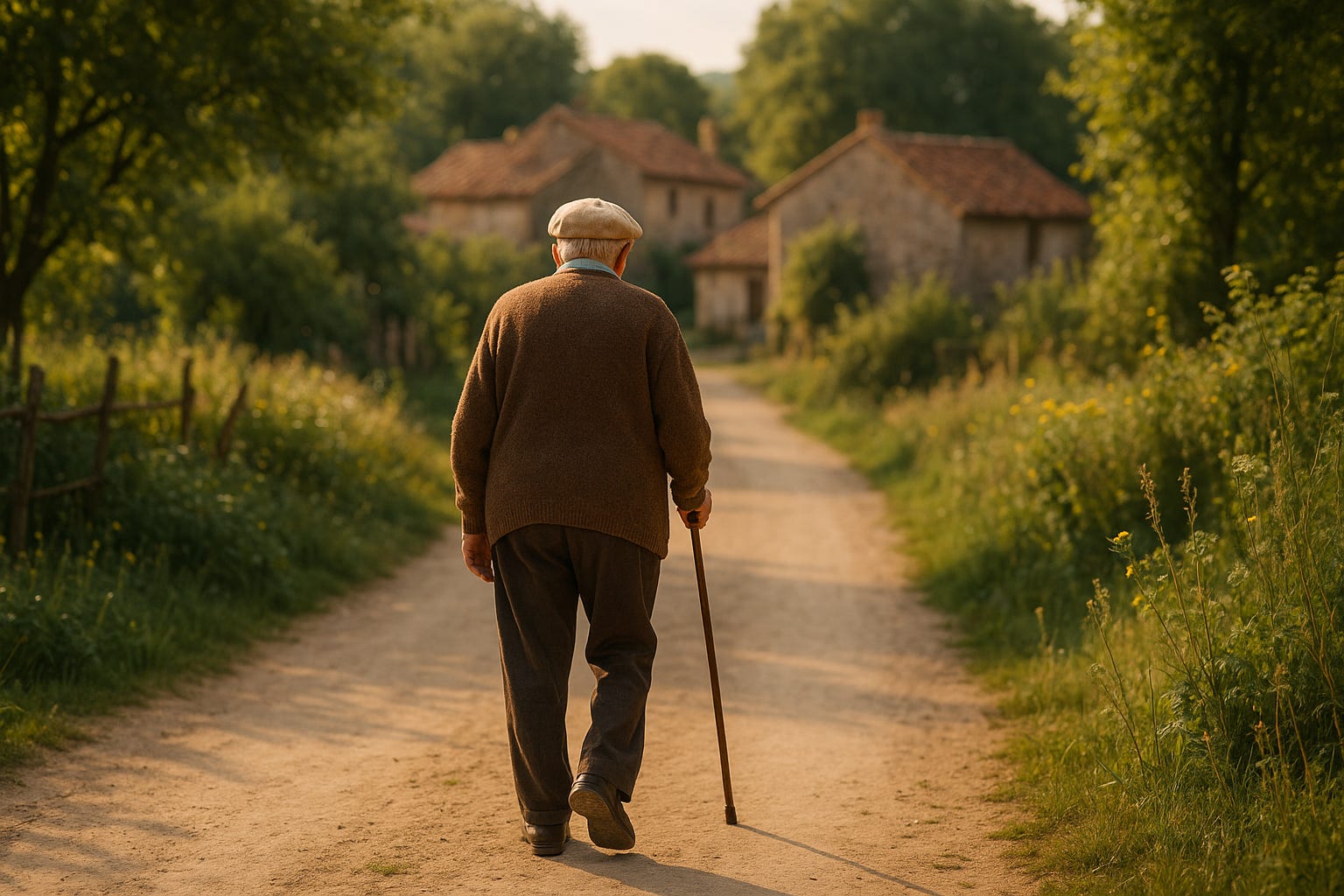
Daily Habits for a Long Life: Wisdom from Super-Centenarians
Long Life Advice from Jeanne Calment (Age 122)
“Always keep your smile.”
“Everything’s fine.”
Jeanne Calment lived to 122, and if you read her words closely, there is something almost radical about how light they are. No grand philosophy. No fear of aging. Just a steady insistence on humor and perspective.
Her long life advice emphasized staying active, enjoying simple pleasures like chocolate and olive oil, and keeping a sense of humor even when the body starts to protest. When she said “everything’s fine,” it was not denial. It was a choice. A way of refusing to let discomfort become the center of the story.
To be fair, that kind of lightness is not always easy. But it is striking how often it shows up in people who live the longest.
Centenarian Diet and Moderation with Jiroemon Kimura (Age 116)
“Eat less and live long.”
Jiroemon Kimura kept his advice spare, much like his lifestyle. He never ate until he was full. Meals were modest. Days were structured. Life moved at a measured pace.
His centenarian diet and moderation were not about restriction in the modern sense. There was no obsession, no guilt. Just restraint, routine, and a deep connection to family and daily rhythm.
It is not glamorous. But it is consistent. And consistency, as it turns out, shows up everywhere in long lives.
Nabi Tajima (Age 117)
“Eat and sleep and you will live a long time, you have to learn to relax.”
Relaxation is not something we tend to value. We treat it like a reward instead of a requirement. Tajima saw it differently. Balance mattered. Nutrition mattered. Rest mattered. And letting go of stress mattered just as much.
George Burns (Age 100)
“Avoiding worry, stress, and tension.”
George Burns credited laughter and levity for carrying him to 100. Humor was not decoration. It was medicine. He did not deny life’s problems. He just refused to let them dominate his inner world.
Gladys Rollins (Age 100)
“Stay active, avoid smoking, moderate alcohol consumption, and maintain a healthy diet.”
Simple. Direct. Almost boring. And yet, this exact formula shows up again and again.
JoCleta Wilson (Age 100)
“Stay busy to keep mentally and physically sharp.”
Not busy in the frantic sense. Busy in the engaged sense. Doing things. Showing up. Staying involved.
Miriam Banister (Age 111)
She attributed her longevity to simple foods, avoiding overeating, and staying away from worry.
No supplements. No secrets. Just restraint and emotional calm.
Dr. Howard Tucker (Age 102, World’s Oldest Practicing Doctor) suggests:
Lifelong learning, including adapting to technology, keeps the mind sharp.
Emotional well-being matters. Practice kindness. Avoid negativity when you can.
Embrace humor and resilience. Life is easier when you do not fight it constantly.
Dr. John Scharffenberg (Age 101, Harvard-Trained Physician) suggests:
Gardening and strength training.
Drinking enough water.
Treating exercise as essential, not optional.
Staying curious and purposeful.
Bonita Gibson (Age 114)
She credited potatoes, a cheerful outlook, abstaining from smoking and drinking, and an active lifestyle. What stands out is her emphasis on consistency over extremes. Simple meals. Social engagement. No drama.
Additional Insights from Other Super-Centenarians:
Doris “Dorie” Smith (Age 110) emphasized daily walking and family connection.
Emma Morano (Age 117) ate raw eggs daily, valued independence, and kept a positive mindset.
Misao Okawa (Age 117) advised eating sushi, loving life, and taking pleasure in small things.
Across all of these lives, the same themes surface. Moderation. Movement. Humour. Learning. Relationships. Not once does complexity steal the spotlight.

Life Lessons on Longevity, Perspective, and Living Fully from Centenarians
The beauty of this wisdom is how ordinary it is.
Jeanne Calment once said, “I see badly, I hear badly, and I feel bad, but everything’s fine.” That line sticks with me. It is not pretending things are perfect. It is deciding that imperfection does not disqualify life from being good.
Honestly, it makes me pause. How often do I let small annoyances ruin an entire day? How often do I delay joy, waiting for circumstances to improve?
Walter Breuning, who lived to 114, put it plainly: “Your mind and body. You keep both busy, and by God you’ll be here a long time.” Engagement, not passivity, stretches life. Curiosity expands it.
George Burns, ever the comedian, summed it up with characteristic ease: “If you ask what is the single most important key to longevity, I would have to say it is avoiding worry, stress, and tension.”
No metrics. No hacks. Just inner terrain.
These centenarians do not preach. They shrug, laugh, and keep moving. And maybe that is exactly why their words linger.
The Habits Behind Extraordinary Longevity
When you sift through interviews and lived experience, certain longevity habits of centenarians keep resurfacing.
Longevity Habits of Centenarians You Can Adopt
Jeanne Calment once said, “If you want to live a long and happy life, don’t take yourself too seriously.”
Nabi Tajima echoed the same idea: eat, sleep, relax.
Joy and relaxation are not indulgences. They are supports. Lifelines, even.
Jiroemon Kimura reminded us to eat less. Emma Morano ate simply and stayed positive. Dr. John Scharffenberg avoided tobacco and alcohol, ate a plant-based diet, and practiced intermittent fasting.
Different lives. Same pattern. Fewer extremes. More restraint. Less chasing. More steadiness.
Purposeful Living for Longevity
María Esther de Capovilla kept doing the things she loved well into her later years. Crafts. Dancing. Movement.
Dr. Howard Tucker still practiced medicine past 100 and warned against seeing retirement as an ending.
Walter Breuning kept his mind and body busy.
Purpose did not mean productivity for its own sake. It meant engagement. Participation. A reason to get up.
Social Connections for Long Life
Christian Mortensen sang, stayed positive, drank water, and enjoyed friends. Kane Tanaka ate good food, studied, and played.
There is lightness here. Ritual. Connection. Refusal to isolate.
Longevity seems to grow in community.

A Declaration from the Town Where People Live Longest
On the 23rd April 1993, the Ogimi Federation of Senior Citizens Clubs in Okinawa issued a declaration. It did not read like a research paper. It read like lived truth.
At 80 I am still a child.
When I come to see you at 90, send me away to wait until I’m 100.
The older, the stronger; let us not depend too much on our children as we age.
If you seek long life and health, you are welcome in our village, where you will be blessed by nature, and together we will discover the secret to longevity.
Different culture. Same message.
Practical Daily Habits for Longevity, Mindful Living, and Emotional Well-Being
Here is what I am experimenting with, inspired by them.
Eating just a little less. Not dieting. Just stopping before full.
Walking every day. Not to hit a number. Just to move and clear my head.
Letting go sooner. Worry will always knock. I am learning not to seat it at the table.
Staying curious. If Jeanne Calment could say you are never too old to learn, I have no excuse.
Practicing lightness. Smiling more. Even on days it feels forced.
None of this is dramatic. But maybe longevity is not built on drama. Maybe it is built on small, repeated choices.
Your Turn to Reflect
Reading all of this, one question keeps coming back to me.
Am I making life more complicated than it needs to be?
These people lived through wars, epidemics, loss, and hardship. And still, their advice points to simplicity.
Smile. Move. Eat a little less. Laugh often.
In chasing wellness, success, or productivity, what simple habit have we overlooked?
What is one small change that could bring more ease, more joy, or more vitality into your day?
Final Takeaway
The message from centenarians and super-centenarians is remarkably consistent.
Longevity is not only written in genes. It is written in how we live.
Stay active. Eat simply. Keep learning. Laugh at yourself. Release worry. Sing with friends. Smile.
And maybe the real secret is this. Stop searching for the secret. Live well, and let time take care of the rest.
Thank you for reading and reflecting alongside me. Alex